Lifelong Learner

It was time for a change.
One of many who were affected by the economic crash of 2008, Thomas Moore was looking for a career pivot. Originally a surety bond underwriter, Moore had always had an interest in the engineering side of the projects he helped. Which is why, after being let go from his position, he found himself researching online master’s degrees in construction management.
The University of Kansas wasn’t even on his list, but while weighing options that didn’t require him to quit his current job working with one of the contractors he had underwritten for or pay $80,000 a year for night classes in Southern California, Moore got a pop-up ad for KU.
“The school wasn’t even on my radar, but it just popped up,” he said. “I looked at the pricing and when the classes were offered and I was like, wow. That really got the ball rolling.”
That ad led to a master’s in construction management, which led to another master’s in engineering management, which then led to a final (for now!) master’s in civil engineering, which he will complete in December 2026. All completed from his hometown of Los Angeles.
A Career with Detours
Moore’s path into the field was anything but linear. Born and raised in Southern California, Moore earned an undergraduate degree in quantitative economics and spent years as a surety bond underwriter, working with home builders and contractors. Watching the projects come to life, Moore found himself wishing he were building them instead.
“At the time, my career was established and I felt like I was stuck,” he said.
The 2008 financial crisis made the decision for him. After being laid off, Moore consulted for a contractor he had once helped bond, then joined the crew as a laborer on highway transportation projects. While working on site, Moore took electrical classes at a local community college before he moved onto his first rail project.
“I learned about the various RFIs and submittals and I was interested in it,” he said.
After earning his post-baccalaureate certificate in construction management from UCLA, he was hooked. It was time to start looking for master’s degree programs that would work for him and his career.
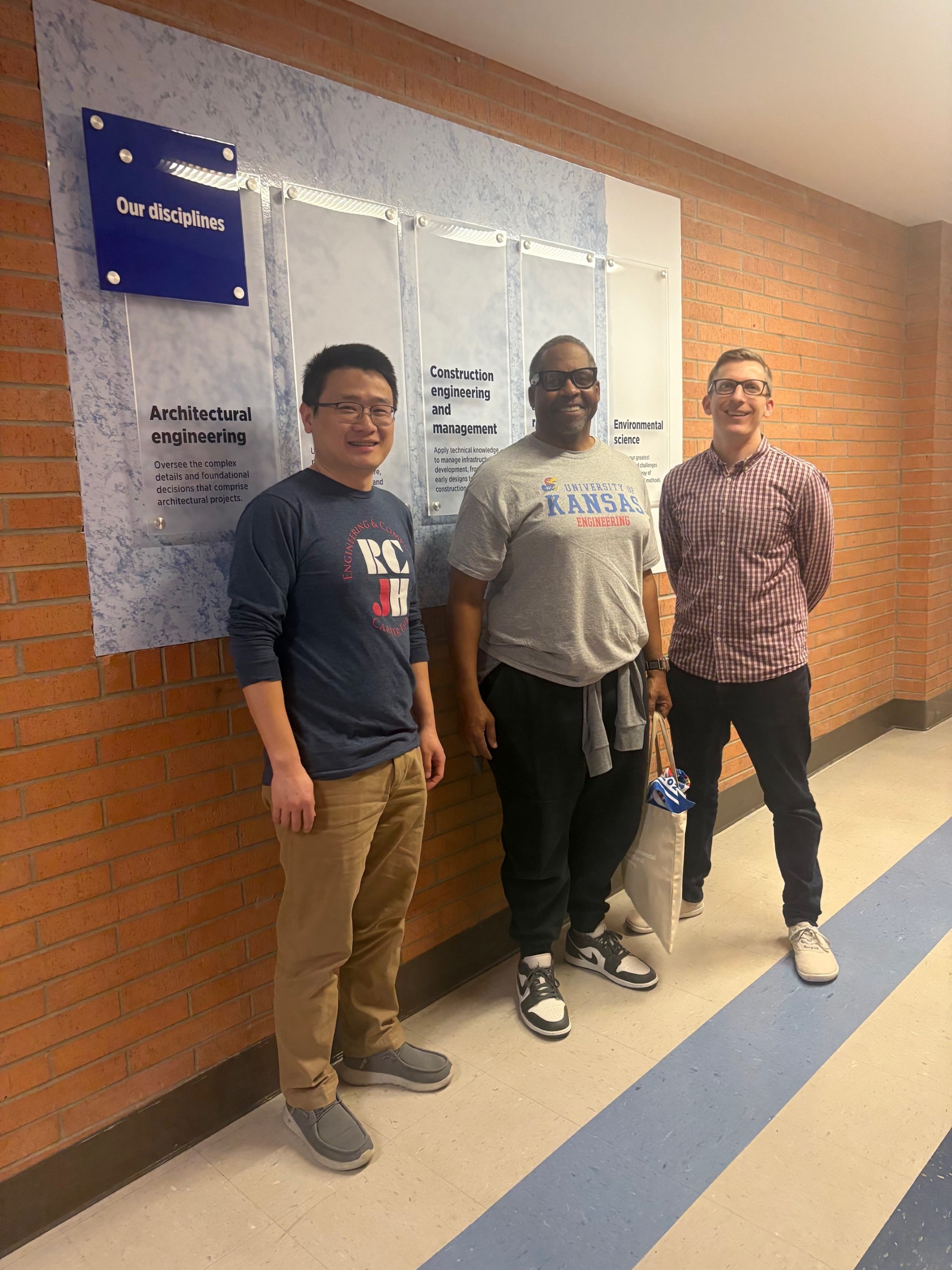
His elective courses in engineering management covered leadership, technical writing and buy-in, and kept bringing him back to the idea of a second master’s degree. He started his engineering management degree in summer 2023 and had the degree in hand by spring 2024. But Moore wasn’t done.
“The funny thing is, Professor Lines reached out to me because he got a request to be a reference for my application,” Moore said. “And just like that I was back.”
Building on what he had previously learned in his construction management master’s, Moore was eager to learn more in a constantly developing industry.
“When I finished my first master’s, some of the courses I was interested in weren’t available yet. They hadn’t even been thought of,” he said. He wanted to learn more about requests for proposals and project delivery methods. “I was like, I have to do this.”
Balancing Work and School
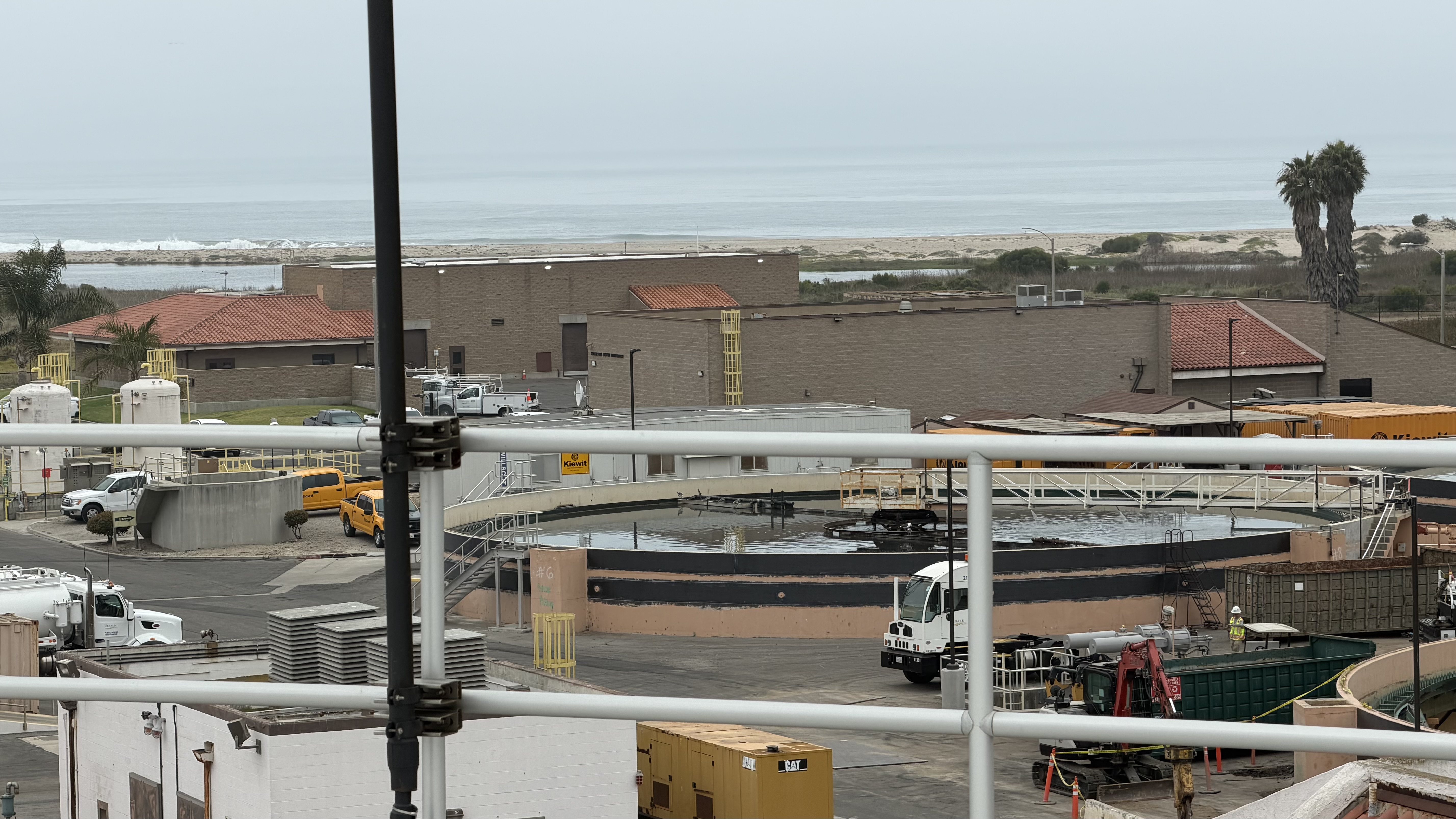
Moore lives in Los Angeles and works in Oxnard, 70 miles up the coast. His current project is a wastewater treatment plant for Mass Electric, a Kiewit subsidiary. His days start at 7a.m. connecting with the crew followed by a review of the day’s plan.
After multiple airport and rail projects, it’s his first foray into industrial power, so he does a fair amount of learning on the job.
“I have to do a little research on my own, but I wouldn’t change it for anything,” Moore said. “I work with some great people. Working at Kiewit has definitely been the culmination of the work I’ve done, and they’ve been so supportive of my academics.”
Juggling coursework is actually pretty easy, according to Moore, thanks to a mindset that many college students probably wish they had.
“The more you put on my plate, the better organized I am,” he said with a laugh. “I’m wired weird.”
He only has one class for his degree in this last semester, so he added a graduate certificate in city and county management just to keep his brain busy. It also satisfies a long-standing curiosity about how cities build budgets and fund capital improvements.
“Maybe when I retire, I can work with the city in their planning department or something like that,” he said. “Forty years ago, I probably would have been stressed, thinking I was going to miss out on a party or something. As you get older, you realize something else will come along.”
Despite being entirely online, Moore has never felt isolated from his professors or his fellow classmates.
“Whether it was Professors Dan Tran, Brian Lines, Michael Panethiere or Alex Kondyli, if I was stuck on something, they were always available,” he said. “I don’t think I’ve ever gone more than 24 hours without a response.”
Instructors often asked him to share his field experience, which got conversations going and loosened up younger classmates. Some now message Moore directly for advice, including two students who landed job offers with prestigious companies and wanted to learn more about the companies and what their careers might look like there.
“They’re new in the industry, so they don’t know who’s who,” he said.
After Graduation (Again)
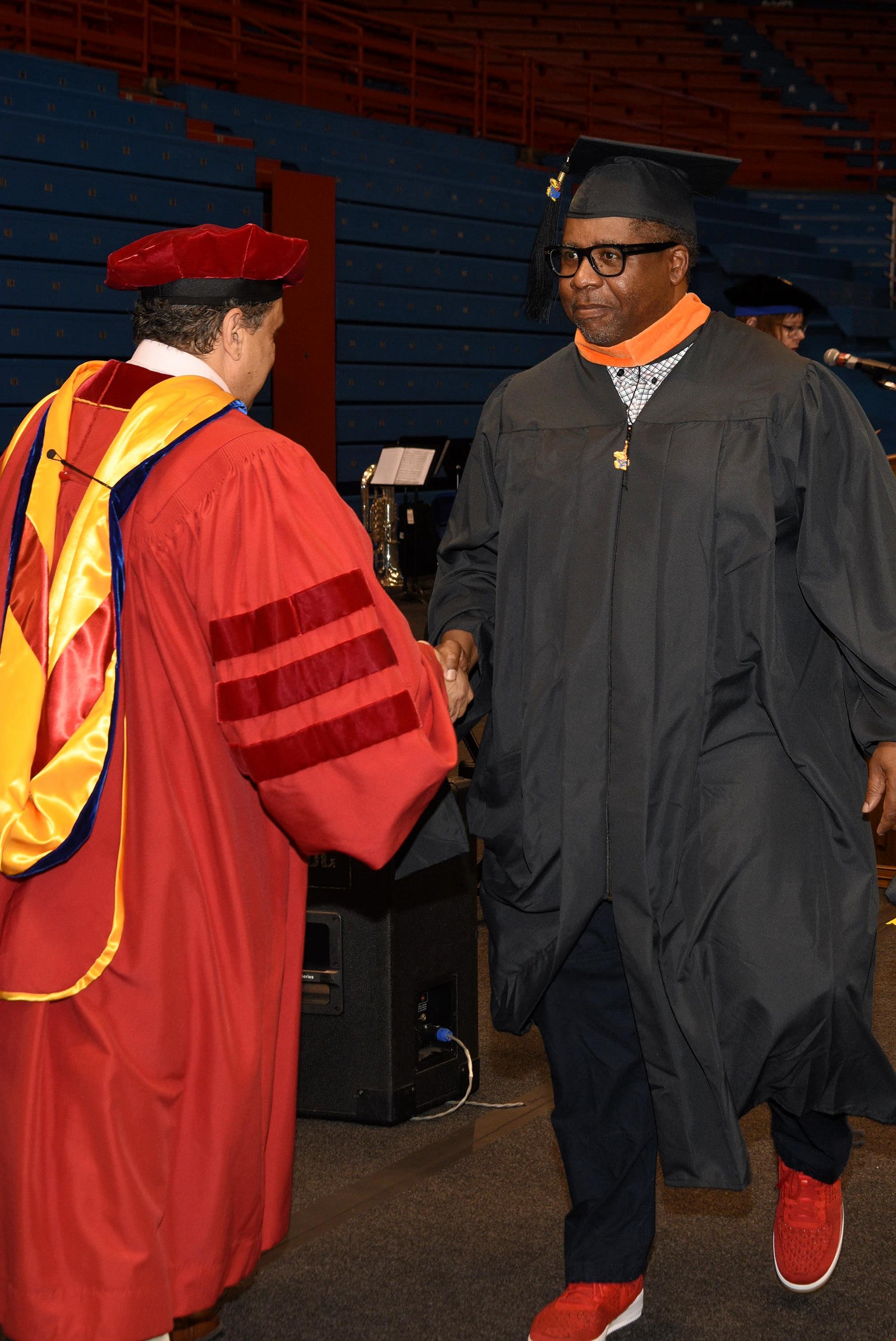
Despite being in his 60s, Moore doesn’t plan on leaving the job site anytime soon. His plans include working for another decade, hopefully staying in the trailer in some type of mentoring capacity.
“I only want to go as high as what keeps me in the trailer,” he said.
Down the road, he could see himself teaching at the community college level or working in a city planning department. In the meantime, he’s continuing his tradition of lifelong learning by pursuing professional certifications, including certified construction manager through the Construction Management Association of America and a construction health and safety technician credential.
His advice for prospective online students considering a degree while also being a working professional is to get buy-in from family first, then commit.
“You get out of it what you put into it,” he said. “It’s true what they say that if you do something because you want to do it, everything else will come.”
For fellow non-traditional students, his advice is simple:
“A lot of people think the time has passed them,” he said, “but it hasn’t.”
He’s also taken a lot of life lessons from his younger classmates, whether it’s learning the constantly changing technology or taking a step back to see the bigger picture.
“As a seasoned professional, I tend to look at things as is, this is the lane that was given to me and that I’m on,” he said. “Younger students look at things in totality. They see the other highways they’re not on.”
Though Moore claims this degree really is his last, he’s not willing to close the book on this chapter of his life just yet. There’s always a chance that another course will spark his interest again. No matter what, learning isn’t going anywhere.
“I look at how my father aged. He was happy getting older because he kept his mind going,” he said. “I want to make sure I always have a purpose.”
Photos provided by Thomas Moore.